.png)


Quiet Luxury Is Changing: What Will Luxury Look Like in Fashion in 2027?
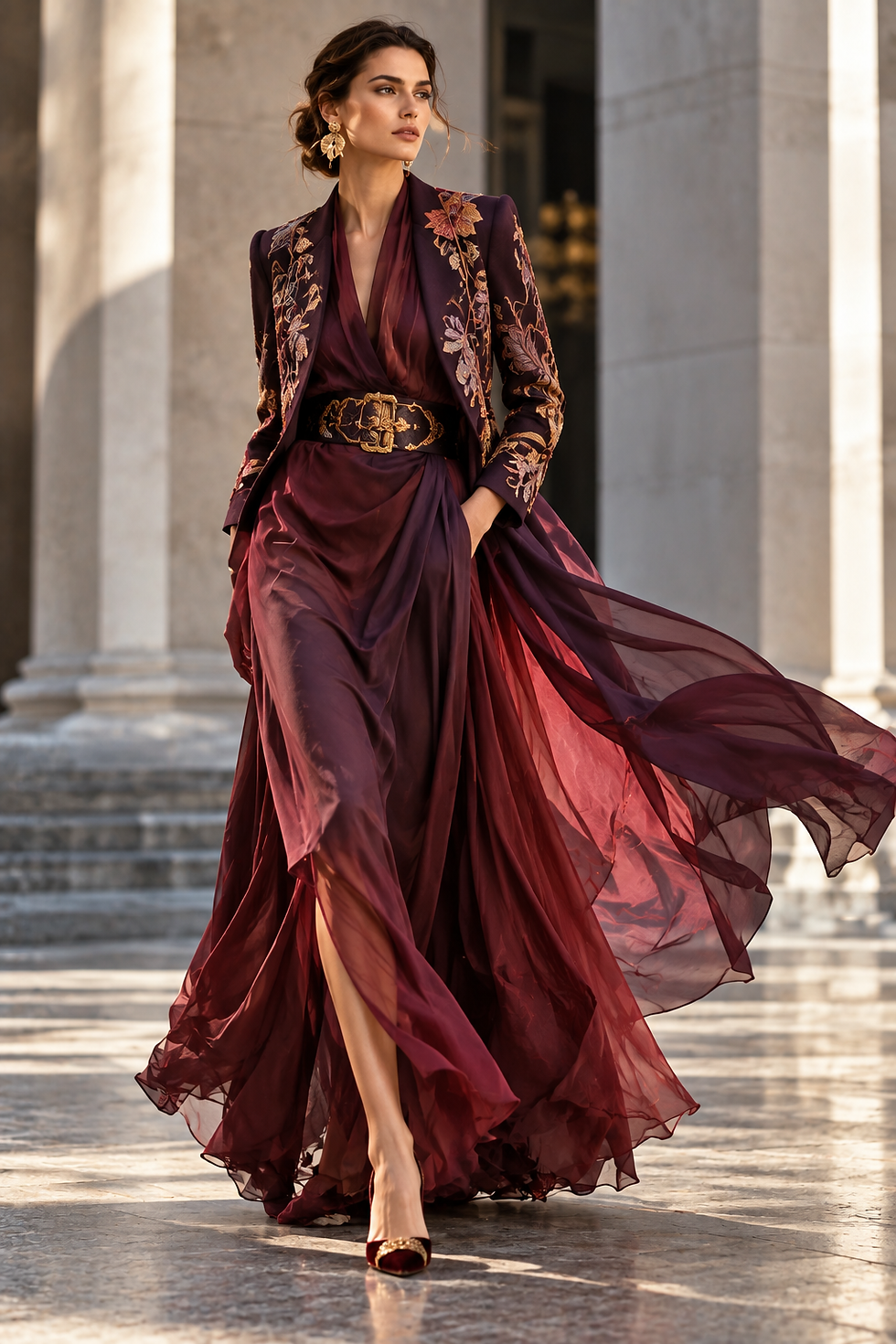
Quiet luxury became one of the defining fashion expressions of the past few years, built around clothes that were expensive without appearing determined to prove it. Immaculate tailoring, cashmere, fine wool, soft leather, muted colours and discreet accessories replaced the overt branding that had dominated luxury fashion for much of the previous decade. The appeal was not simply the absence of logos. It was the idea that a woman could build a wardrobe around fabric, cut, proportion and quality and allow those things to carry the value of the clothes. The look suggested confidence without requiring constant recognition, and for a while it offered a welcome alternative to the highly visible status dressing that had become so dominant across luxury fashion.
Its influence was considerable. The aesthetic moved from a relatively specific group of luxury houses into almost every part of the fashion market, changing the way brands photographed collections, styled campaigns and spoke about investment pieces. Neutral tailoring, oversized jackets, relaxed trousers, cashmere knitwear, minimal leather goods and understated footwear became familiar components of a wardrobe that was presented as sophisticated precisely because it appeared uncomplicated. The language of quiet luxury also changed the conversation around buying expensive clothes. Fabric, construction, fit and longevity received more attention, while conspicuous branding became less essential to the perception of value.
The difficulty was that the aesthetic eventually became recognisable enough to form another uniform. Once the same proportions, colours and materials appeared repeatedly across luxury collections and were reproduced by contemporary and high-street brands, the original idea of individuality began to weaken. Understatement had become a visual code in its own right. A wardrobe designed to look as though it did not care about fashion could itself become highly fashionable, complete with its own set of expected pieces and styling rules. Fashion rarely allows a single idea to remain untouched for long, and the first collections of 2027 suggest that designers are beginning to loosen those rules.

The change is not a rejection of the qualities that made quiet luxury attractive. The strongest luxury collections continue to place enormous importance on fabric, construction and proportion, but they are allowing more room for colour, surface, embellishment, romance, unusual combinations and visible craftsmanship. The wardrobe is becoming less concerned with maintaining a particular image of restraint and more interested in the individual personality of the person wearing it. That is an important distinction because it suggests that quiet luxury is evolving rather than simply disappearing.
The Row is one of the clearest examples of this development. The house remains associated with precise tailoring, fluid silhouettes and exceptionally considered materials, yet its Spring 2027 collection introduced antique table linens, Victorian lace, tapestry-like ribbons, crochet, beading and details with a distinctly collected quality. The clothes retained the discipline for which the label is known, but the presence of older textiles and handcrafted elements made the collection feel more personal and less like a prescribed uniform. It was an interesting way of developing quiet luxury without abandoning its foundations.
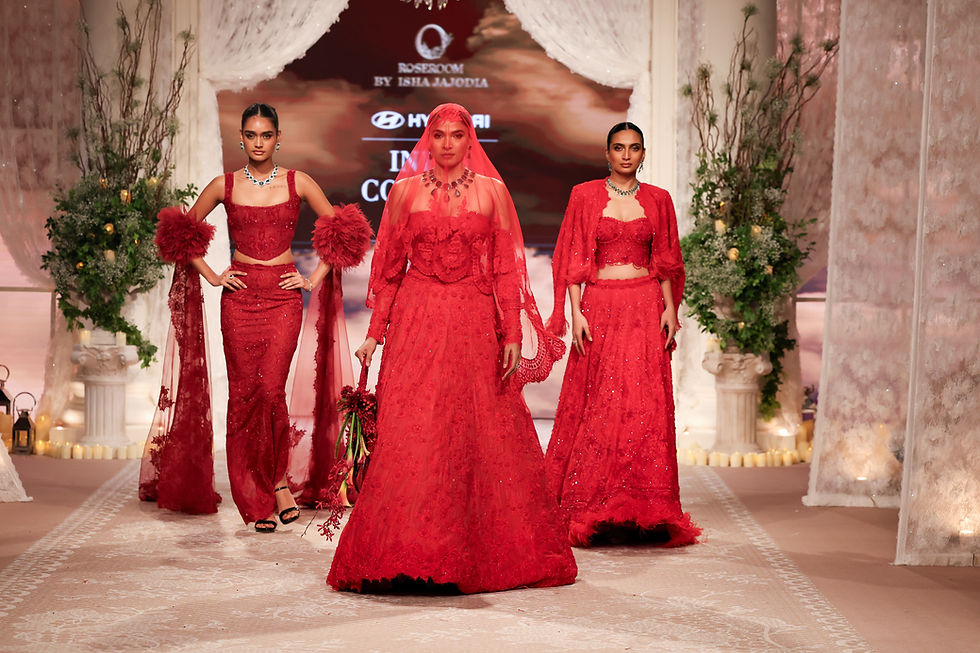
Other designers are approaching the same shift through colour and silhouette. Across the Spring/Summer 2027 collections, stronger colour combinations, more relaxed proportions, sheer fabrics, decorative surfaces and more expressive styling are appearing alongside traditional tailoring. The change is particularly noticeable because it follows several seasons in which minimalism and controlled dressing were so dominant. Fashion is once again giving women permission to be visually interesting without suggesting that they have sacrificed sophistication.
That matters because luxury has never actually depended on minimalism. Some of the most important fashion houses have built their identities around embroidery, intricate eveningwear, jewellery, rich colour, elaborate textiles, distinctive prints and highly recognisable silhouettes. Their clothes have remained valuable because of the quality and expertise behind them, not because they were visually quiet. The current shift is therefore less a revolution than a broadening of the luxury vocabulary.
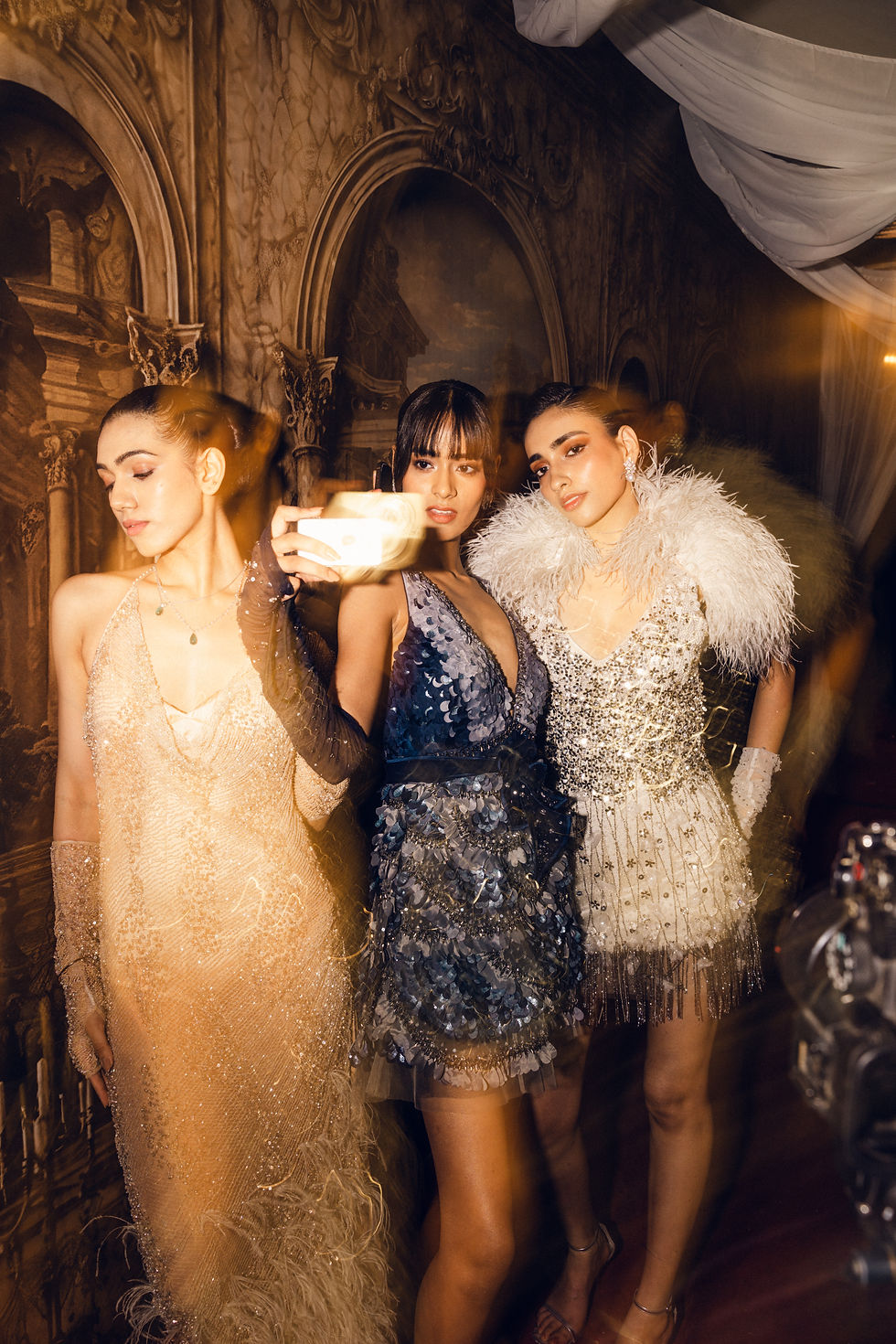
Craftsmanship is likely to play a particularly important role in that change. During the height of quiet luxury, craftsmanship was often something to be discovered inside a garment. A beautifully constructed shoulder, exceptional lining, precise trouser cut or unusually fine fabric could reward a knowledgeable wearer without being immediately visible to everyone else. As fashion becomes more expressive again, the work involved in making a garment can also become part of its visual identity. Embroidery, hand-finishing, lace, complex fabric treatments, sculptural construction and specialised techniques can be displayed rather than hidden.
This is particularly relevant in an industry where the finished image is increasingly easy to reproduce digitally. A photograph can communicate colour, silhouette and mood almost instantly, but it cannot fully communicate the knowledge required to make a difficult garment. The construction of a sleeve, the development of a textile, the placement of embroidery or the finishing of a complicated edge becomes more meaningful when consumers are looking for evidence of what makes a luxury piece different from an ordinary one. The human work behind the garment becomes part of its story.
There is also a growing appreciation for materials with character. The luxury wardrobe of 2027 is unlikely to be built entirely around perfectly uniform surfaces. Textured fabrics, vintage textiles, unusual weaves, aged leather, intricate lace and fabrics with visible variation can provide the individuality that plain luxury once achieved through simplicity. The attraction is partly tactile. A garment can be understood through the way it feels and moves as much as through the way it photographs.
This interest in materiality is closely connected to the renewed relationship between contemporary fashion and the archive. Vintage fashion has become increasingly important because older garments often contain qualities that are difficult to reproduce immediately. A vintage jacket may have a silhouette that no longer appears in current collections, a fabric produced using an older technique or a degree of construction that reflects a different approach to manufacturing. An antique textile can introduce irregularity and history into a new garment. These elements give fashion something that mass production cannot easily create: a sense that the piece has already lived a life before arriving in the present.
That does not mean every luxury collection needs to look historical. The most interesting use of archive material is often contemporary precisely because the old and new are allowed to exist together. A modern tailored jacket can be made from an antique textile. A simple dress can carry an elaborate vintage-inspired embroidery. A familiar trouser can be paired with jewellery that belongs to another period entirely. The combination makes the wardrobe feel collected rather than purchased as a complete seasonal proposition.
This idea of collecting may become increasingly important to the meaning of luxury itself. The consumer who buys into a complete aesthetic every season is following a system created by the fashion industry. The consumer who builds a wardrobe over time, mixing new pieces with vintage, bespoke garments, inherited jewellery and clothes bought because they have a particular personal significance is making a different kind of luxury statement. The value lies in the edit.
Personalisation is part of that change. Made-to-measure and bespoke services have always existed at the highest end of fashion, but personalisation is becoming increasingly attractive as consumers become more familiar with the visual codes of luxury. If a particular handbag, coat or shoe has become instantly recognisable online, simply owning it no longer guarantees individuality. Choosing the material, altering the proportion, selecting the lining, commissioning embroidery or developing a piece around a particular wardrobe gives the customer greater ownership over the final result.
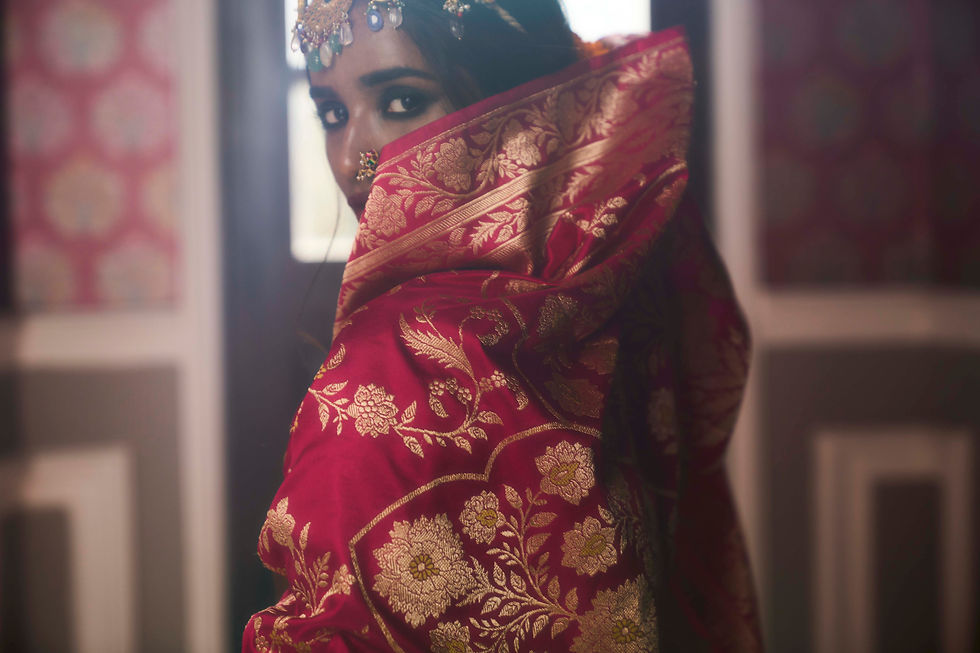
For luxury houses, this also creates an opportunity to deepen relationships with customers without constantly reinventing their visual identity. A house with a strong tailoring tradition does not need to abandon tailoring to remain relevant. It can offer more fabric choices, more made-to-measure options, new finishing techniques or different ways of styling the same underlying vocabulary. The product becomes more personal without losing the codes that make the house recognisable.
That is particularly important because the next phase of luxury fashion is unlikely to be defined by one dominant silhouette. The 2027 wardrobe is more varied. Tailoring remains important, but it sits beside fluid dresses, romantic pieces, relaxed sportswear, sheer layers, sculptural shapes and highly embellished eveningwear. There is greater freedom to move between them. The woman who wears an impeccably cut trouser suit can also wear a dramatic floral dress. Someone who prefers understated cashmere can still choose a brightly coloured handbag or a piece of jewellery with considerable presence.
The sophistication lies in the relationship between the pieces, this is where personal taste becomes more important than the old rules of quiet luxury. The original aesthetic offered a fairly clear answer to the question of what a sophisticated wardrobe should contain. By 2027, fashion is becoming less interested in providing that answer. There is greater room for contradiction, experimentation and individual judgement. A wardrobe can be restrained in one part and expressive in another without appearing confused.
The return of colour is significant in this context. Colour was never absent from luxury fashion, but the quiet-luxury years encouraged a particular preference for shades that were easy to combine and unlikely to dominate an outfit. The renewed interest in saturated colour, unexpected combinations and stronger tonal contrasts changes the visual relationship between the garment and the wearer. A red coat, emerald dress or cobalt accessory does not have to be treated as a statement piece that exists outside a sophisticated wardrobe. It can simply be part of the wardrobe.
The same is true of embellishment. Embroidery, sequins, beads, feathers, lace and three-dimensional details are returning to collections in ways that feel less connected to traditional ideas of occasion dressing. Designers are using them on jackets, skirts, day dresses and separates, allowing craftsmanship to become part of everyday fashion rather than reserving it for eveningwear. This makes the discussion around luxury more interesting because the workmanship becomes visible in pieces that can actually be lived in.
Investment dressing is changing alongside it. For several seasons, the safest luxury purchase was often described as the piece that would never date: the perfect black coat, neutral handbag, tailored jacket or cashmere sweater. Those pieces remain useful, but longevity does not necessarily require neutrality. A beautifully made red coat can become an investment if its wearer continues to love it. An embroidered jacket can remain relevant because it has a strong design rather than because it looks deliberately timeless. A vintage handbag may become more desirable with age precisely because it develops a history.
The idea of longevity is therefore becoming more personal. A garment survives because someone wants to keep wearing it, not simply because it has been labelled a wardrobe essential. Emotional attachment, craftsmanship and individuality can be just as important as versatility.
That may be one of the more valuable legacies of the quiet-luxury period. It encouraged consumers to examine why certain garments were expensive and to look beyond obvious branding. It made fabric, cut, construction and longevity part of everyday conversations about fashion. The next stage does not need to abandon that awareness simply because the clothes are becoming more expressive.
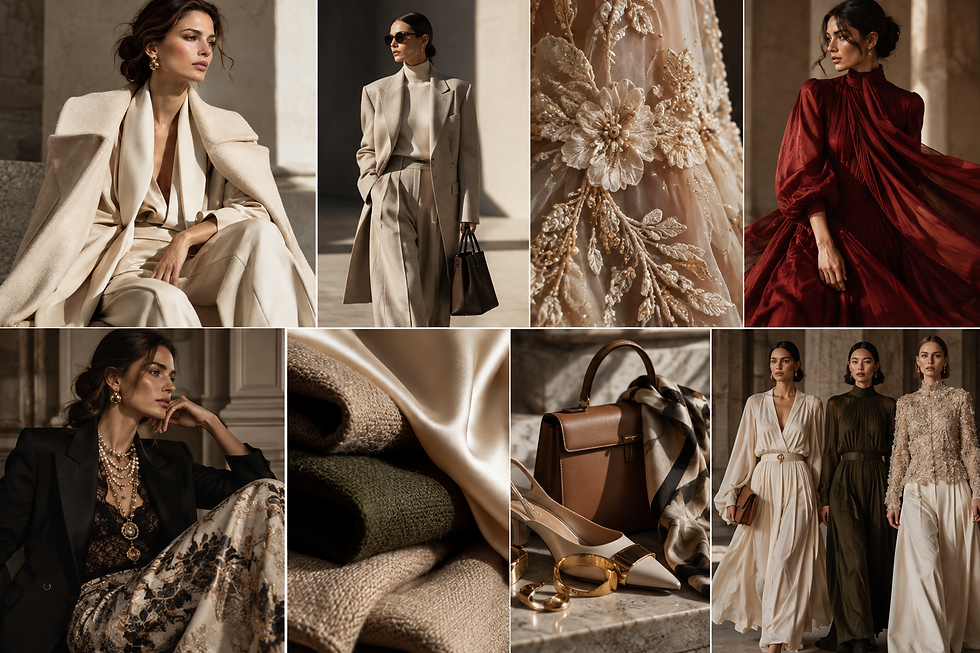
Instead, fashion is taking those lessons into a more varied wardrobe. For established luxury houses, this creates an interesting balance between heritage and change. The strongest collections are unlikely to abandon the qualities that define a house merely to participate in a new trend. They will reinterpret those qualities through new materials, proportions, techniques and styling. The challenge is to create clothes that feel relevant to the present without making the brand's history irrelevant.
For consumers, the result is a greater degree of freedom. There is no requirement to choose between a minimalist wardrobe and a highly expressive one. Excellent tailoring can sit beside vintage clothing, fine jewellery, embroidered eveningwear and statement accessories. The luxury wardrobe can be built gradually, with pieces acquired for different reasons and brought together through personal taste rather than through a single seasonal aesthetic.
That is perhaps why the phrase quiet luxury itself is beginning to feel less useful. It describes a particular visual moment very well, but fashion is moving into territory where restraint is only one possibility among many. What remains relevant is the attention given to how a garment is made, the quality of its materials, the expertise involved, the originality of its design and the reason someone continues to want it after the season has passed.
Luxury fashion in 2027 is therefore not necessarily quieter or louder. It is more individual. The most compelling clothes are likely to be those that combine excellent materials and construction with enough personality to create an emotional connection with the person wearing them. Some will be almost austere. Others will be romantic, colourful, highly embellished or deliberately unconventional. Their common ground will be the thought and skill invested in making them.
The quiet-luxury era may have begun as a reaction against visible status, but its more lasting influence has been the attention it brought back to the garment itself. As fashion moves forward, that attention can remain while the restrictions fall away. A beautifully made coat no longer needs to be neutral to be considered luxurious, just as an embroidered dress does not need to be restrained to demonstrate taste. The modern luxury wardrobe can accommodate both, provided each piece earns its place through design, material, craftsmanship and the confidence of the person who chooses to wear it.
That is where quiet luxury is heading in 2027: away from a fixed uniform and towards a more individual understanding of what makes fashion valuable. The aesthetic may become less literal, but the desire for clothes that are beautifully made, distinctive and worth keeping is likely to remain. And for fashion, that is a much more interesting place to be.