.png)


10 Books the World's Top CEOs Say Changed How They Think
Updated: Aug 11
Every "CEO reading list" article on the internet tends to repeat the same handful of titles regardless of who is credited with them. The ten picks below are different because each one traces back to a specific moment, a tweet, an interview, a blog post, where the person actually said it.

Bill Gates opened his 2025 holiday reading list with Remarkably Bright Creatures by Shelby Van Pelt, a novel about a widow and an octopus that he wrote helped him think differently about the years after retirement and what gives a life purpose once the working part of it slows down.

Warren Buffett is responsible for one of the more famous handoffs in business reading. In 2014 he pressed a long out-of-print 1969 book, Business Adventures by John Brooks, on Bill Gates as the best business book he had ever read, and the recommendation alone was enough to bring the title back into print as an ebook decades after it had disappeared from stores.
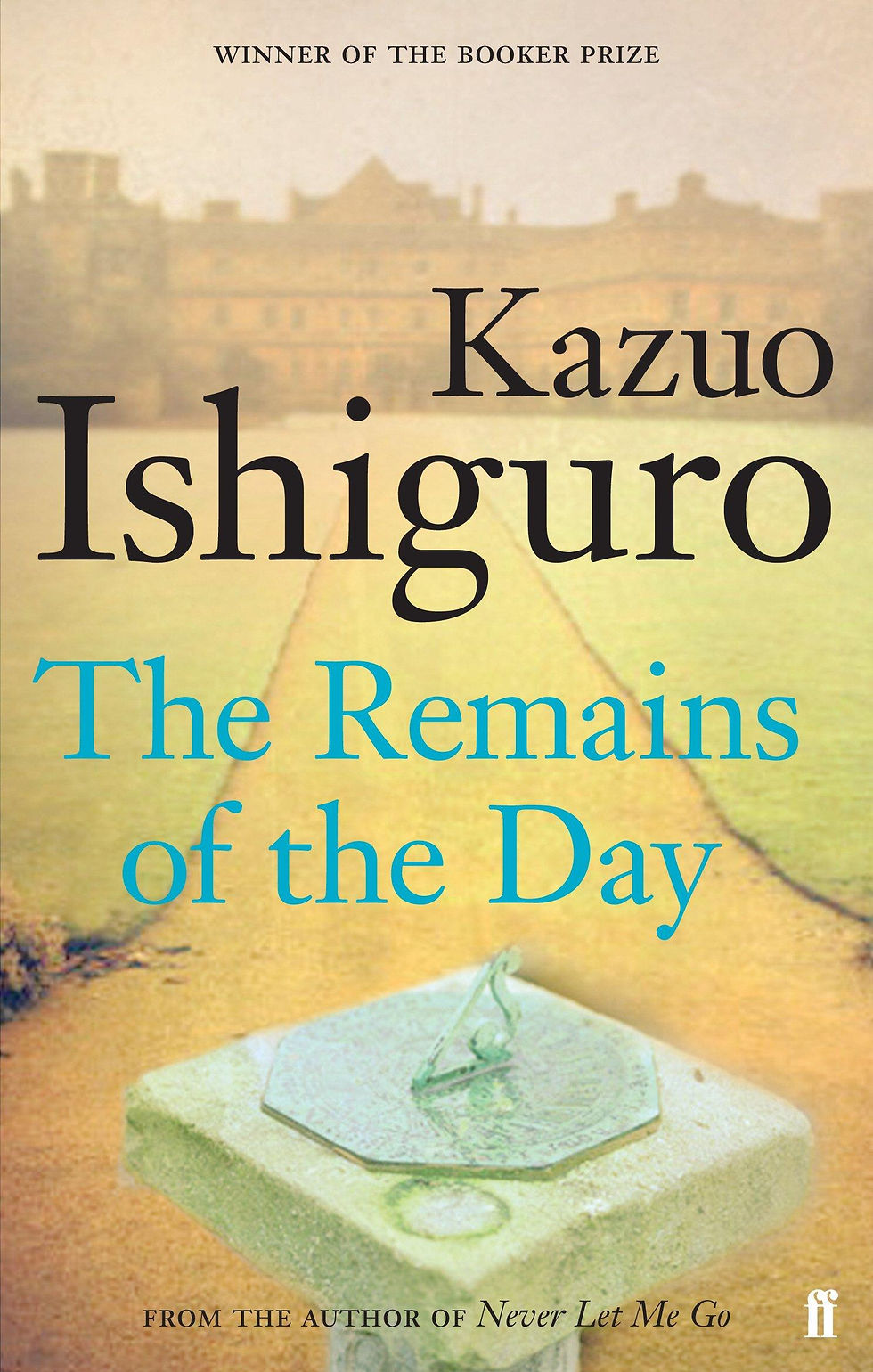
Jeff Bezos has called Kazuo Ishiguro's The Remains of the Day his favourite novel of all time since at least 1998, and when Ishiguro won the Nobel Prize in 2017 Bezos marked the occasion by writing that the book taught him more about the cost of regret than almost anything else he had read.

Elon Musk traces much of his own thinking, by his own account in a 2017 interview, back to Isaac Asimov's Foundation series, which he has described as teaching him that a person should act in whatever way is most likely to prolong civilisation and shorten any dark age that follows a collapse.

Mark Zuckerberg opened his public "Year of Books" project in January 2015 with The End of Power by Moisés Naím, choosing a book about how authority is slipping from large institutions toward individuals as the first title he read alongside several hundred thousand people who joined his reading challenge online.

Satya Nadella handed Nonviolent Communication by Marshall Rosenberg to his direct reports when he became Microsoft's CEO in 2014, using a book about empathy and self-awareness in conversation to start dismantling the company's reputation for internal combativeness.

Sundar Pichai, asked at Davos in 2018 which book from the previous year had genuinely moved him, chose The Gene by Siddhartha Mukherjee, a sweeping account of genetics that he said gave him a deeper sense of the biological ground beneath the technology industry he runs.
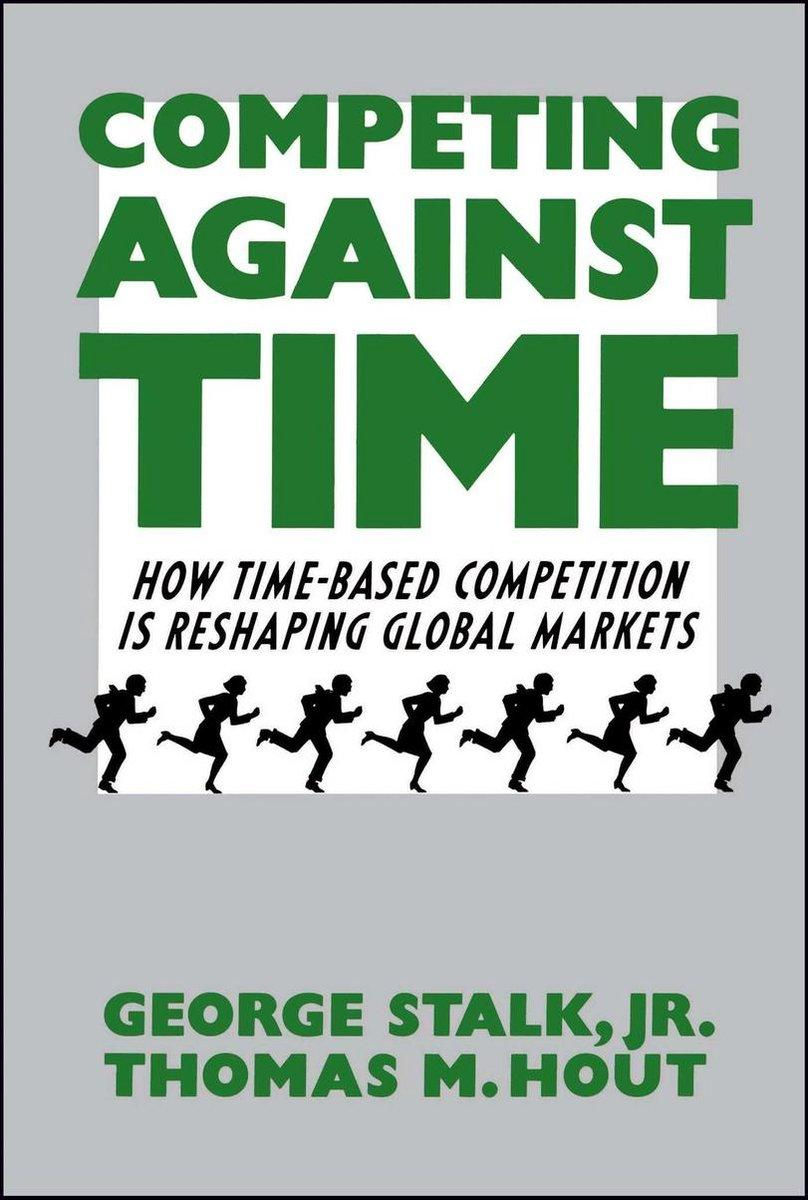
Tim Cook keeps one book in permanent rotation for new hires and colleagues at Apple: Competing Against Time by George Stalk Jr., a study of speed as a competitive weapon that Cook has reportedly been handing out since well before he became CEO.
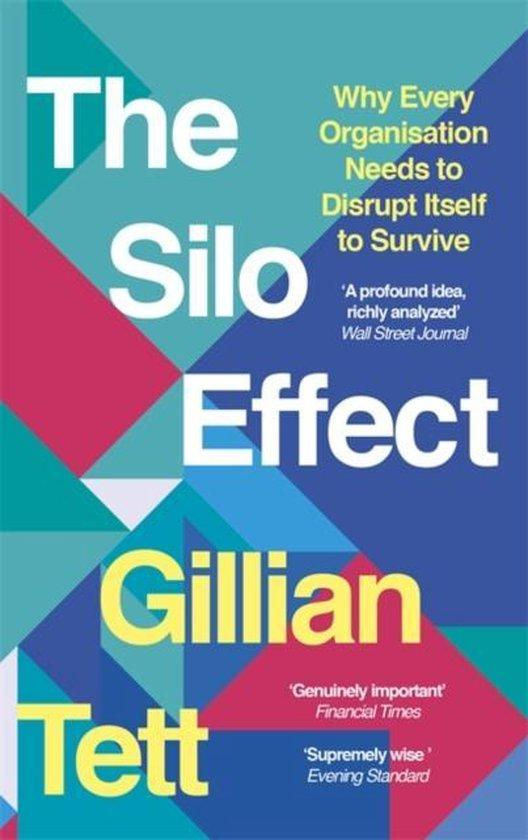
Indra Nooyi, then chairman and CEO of PepsiCo, used her own social media to point people toward The Silo Effect by Gillian Tett, calling the anthropologist's account of why organisations fail to communicate across departments a must-read for anyone running a large company.

Richard Branson has named dozens of books over the years through his Virgin blog, but when asked to narrow it down to the handful everyone should read at least once, Just Mercy by Bryan Stevenson made the cut, with Branson citing the line that each of us is more than the worst thing we have ever done as the reason it has stayed with him.
Ten picks, read together, split roughly the way you would expect. Several, the Rosenberg, the Naím, the Stevenson, are about understanding people and systems better rather than building anything in particular, while others, the Ishiguro, the Asimov, the Mukherjee, sit further from business altogether and look more like the books these leaders turn to when they want distance from the industries they actually run.