.png)


Top Fashion Trends 2026: What's Changing in Global Style (And What to Wear Right Now)


Fashion trends in 2026 are being shaped by more than runway shows. From the slowdown of fast fashion to the quiet rise of AI in design, the rules of style are changing at a structural level — and knowing what's ahead gives you an edge in building a wardrobe that actually works. Whether you're a conscious consumer looking to invest in fewer, better pieces, or someone who loves self-expression and statement looks, this guide breaks down the eight biggest style shifts defining 2026.
Slow Fashion Is Winning: Fewer Pieces, Higher Quality
The era of buying twenty items a season is over. In 2026, the most relevant wardrobe is a capsule wardrobe — a curated set of high-quality pieces that outlast trends. Search interest in quality over quantity fashion has grown significantly, and brands are responding with collections built to last rather than collections built to sell fast. What to look for: natural fibres, strong construction, and neutral or classic colour ways that age well. Prioritise cost-per-wear over price tag. Invest in outerwear, trousers, and knitwear before statement pieces. Look for brands with clear sourcing information and transparent supply chains.
Minimalism in 2026 Looks Richer, Not Plainer
If you thought minimalism meant beige and blank, 2026 minimalist fashion trends have updated the definition entirely. The focus has shifted from visual absence to quality of finish — rich textures, precise tailoring, and elevated materials like cashmere, Japanese denim, and brushed wool. The palette stays calm. The fabrication gets interesting. This is minimalism with substance, where every detail is intentional and every piece earns its place.
Maximalism Is Back — But Make It Intentional
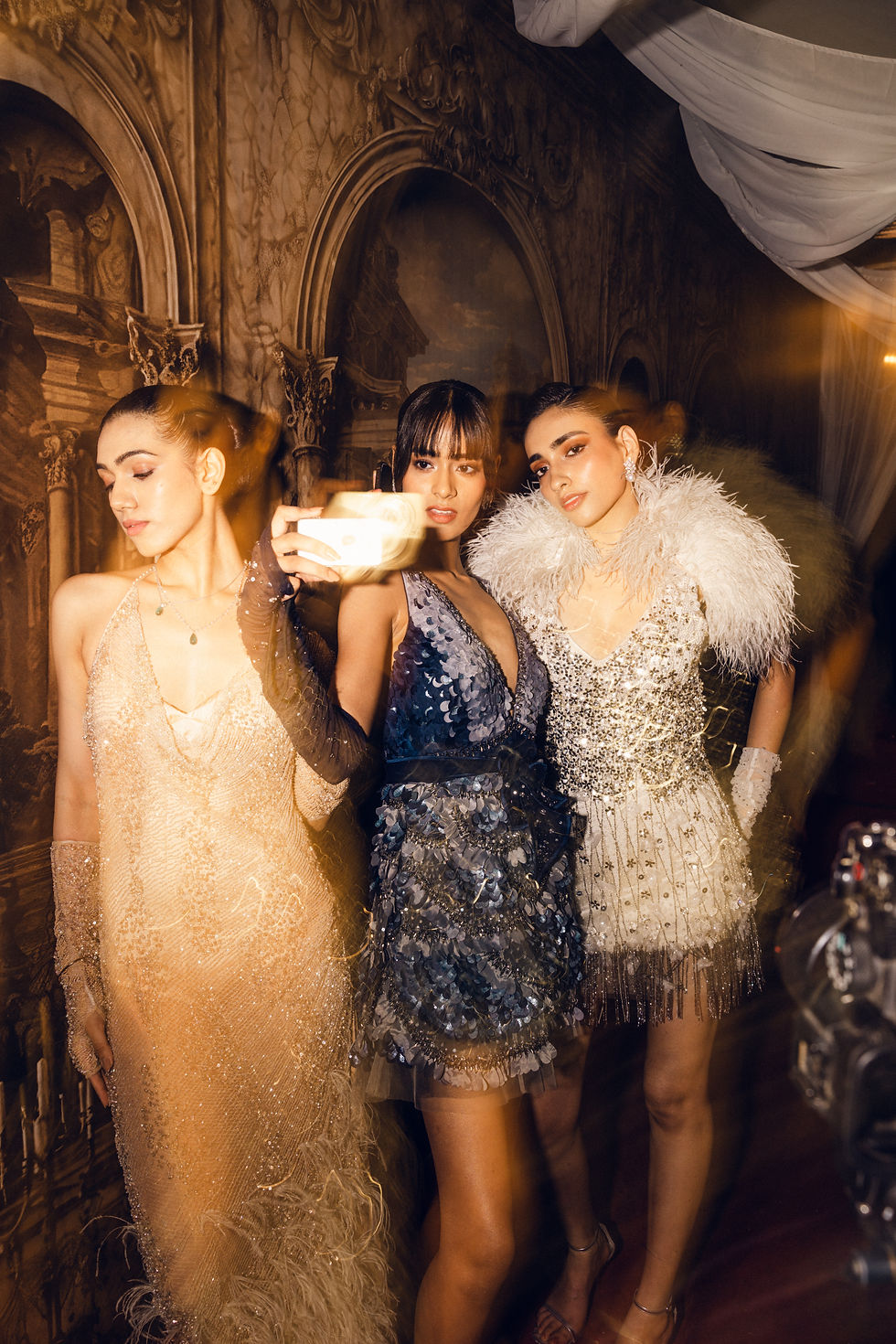
At the opposite end of the spectrum, a counter-movement is gaining real momentum. After years of toned-down aesthetics, bold silhouettes, layered looks, and culturally referential styling are back in force. This is controlled maximalism — expression with a point of view, not random excess. Key looks to watch include voluminous skirts, mixed textures, jewel tones layered with prints, and outfits that draw from art, cinema, and cultural history. The difference between this and old-school maximalism is intention. Every choice has a reason.
AI in Fashion: Invisible but Everywhere
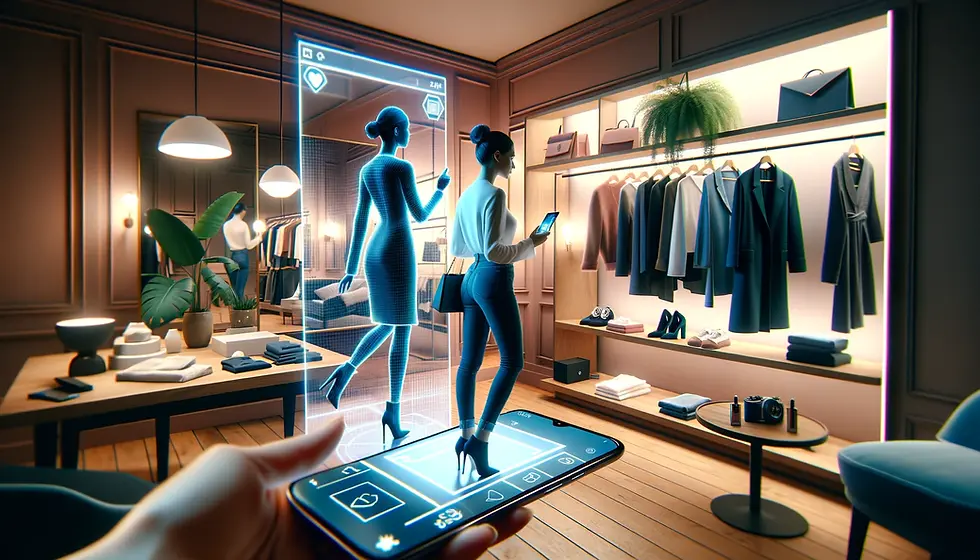
The role of AI in the fashion industry is no longer experimental — it is operational. In 2026, artificial intelligence is being used in trend forecasting, personalised styling recommendations, sustainable production planning, and even fabric development. For consumers, this shows up as smarter recommendations, more relevant product discovery, and brands that seem to know what you want before you do. What it does not replace is the feel of a fabric in your hands, the fit of a well-cut garment on your body, or the instinct of a stylist who actually understands your life.
Functional Fashion: Clothes That Do More
Multi-use garments are becoming a major design priority in 2026. A piece earns its wardrobe space by working across at least two or three contexts — office to evening, city to travel, summer worn alone or layered into autumn. Versatility is now a design specification, not an afterthought. Look for convertible silhouettes, fabrics that travel well, and cuts that work dressed up or down without looking like they are trying too hard.
Sustainable Fashion 2026: Accountability Replaces Messaging

The conversation around sustainable fashion in 2026 has matured significantly. Brands can no longer rely on vague green messaging and expect consumers to accept it. Shoppers — especially in India, where awareness is rising fast among younger buyers — are asking specific questions: What is this made from? Where was it produced? What happens to it at end of life? Who made it and in what conditions? Certifications to look for include GOTS, Oeko-Tex, and Bluesign. If a brand cannot answer your questions directly, that itself is an answer.
Personal Style Is Overtaking Trend Culture
Possibly the most significant shift of all: style in 2026 is becoming personal, not prescriptive. Social platforms are now surfacing algorithmically diverse aesthetics rather than a single dominant trend, which means consumers are building their own visual language rather than following a seasonal directive from a fashion house. The question has shifted from what is trending this season to what actually works for me and my life. This is healthy for consumers and challenging for brands that have built their model on manufactured desire.
Indian Fashion in 2026: Where Global Meets Local

In India, fashion trends in 2026 are being shaped by a powerful combination of global influences and renewed pride in local craftsmanship. Indo-western fusion is stronger than it has ever been, with handloom textiles, block prints, and artisanal embroidery appearing in thoroughly contemporary silhouettes. Indian consumers are also leading on value-conscious purchasing — investing in fewer, better pieces with clear cultural or artisanal provenance. Designers rooted in Indian craft traditions are gaining international visibility, and that recognition is flowing back into the domestic market. This is a moment of genuine confidence in what Indian fashion can be.
Frequently Asked Questions
What are the biggest fashion trends in 2026?
The biggest shifts include the rise of slow fashion and capsule wardrobes, evolved minimalism with richer textures and sharper tailoring, intentional maximalism as self-expression, functional multi-use clothing, AI-integrated design processes, and a strong industry-wide push toward genuine sustainability and supply chain transparency.
Is maximalism coming back in 2026?
Yes, but in a more intentional form than before. Maximalism in 2026 is about deliberate self-expression through layering, bold silhouettes, and cultural references rather than volume for attention alone. It is considered, not chaotic.
What is the fashion aesthetic for 2026?
There is no single dominant aesthetic — and that itself is the defining shift. Minimalism, maximalism, slow fashion, and functional dressing are all coexisting and gaining audiences simultaneously. The era of one trend ruling the season is over.
What colours are in fashion for 2026?
Earthy neutrals and warm tones remain strong, while deep jewel tones including burgundy, forest green, and cobalt are gaining significant ground. Soft pastels are seeing a revival in occasion wear, and classic off-white and ecru remain essential wardrobe staples across all aesthetics.
What is slow fashion and why does it matter in 2026?
Slow fashion refers to a deliberate shift away from fast, disposable clothing toward fewer, higher-quality pieces bought with intention. In 2026 it matters because consumers are increasingly aware of the environmental and social cost of overconsumption, and because better-made clothing simply performs better and lasts longer.
You May Also Like